
Ever installed a shiny new VST plugin only to stare blankly at FL Studio wondering, “Where did it go?” You’re not alone. Even seasoned producers have had that moment of panic when their latest synth or effect seems to vanish into the digital abyss. But fret not! In this ultimate 2025 guide, we’ll unravel the mystery of locating, managing, and optimizing VST plugins inside FL Studio — turning confusion into creative power.
From uncovering the secret plugin folders on your hard drive, to mastering FL Studio’s Plugin Manager and organizing your sonic arsenal like a pro, we’ve packed this article with expert tips, troubleshooting hacks, and workflow secrets from the Uniphonic™ team. Plus, we’ll reveal the top free and paid VSTs that every FL Studio user should know about. Ready to stop hunting and start producing? Let’s dive in!
Key Takeaways
- VST plugins live in folders on your computer, not inside FL Studio itself. Knowing where to look and how to tell FL Studio where to find them is crucial.
- Use FL Studio’s Plugin Manager to add, scan, and favorite your plugins for lightning-fast access and smooth workflow.
- Organizing your plugins into custom folders and categories saves time and frustration.
- Choose VST3 versions when available for better CPU efficiency and future-proofing.
- Troubleshooting common issues like missing plugins or crashes usually boils down to folder paths, bit-version mismatches, or outdated installers.
- Don’t overlook FL Studio’s powerful native plugins — many pros craft hits using just these tools!
- Expand your sonic palette with top free VSTs like Vital and Valhalla Supermassive, or invest in industry favorites like Serum and Omnisphere.
👉 Shop top VST plugins here:
- Serum on Plugin Boutique | Sweetwater
- Omnisphere on Sweetwater | Spectrasonics Official
- FabFilter Pro-Q 3 on Plugin Boutique | FabFilter Official
Table of Contents
- ⚡️ Quick Tips and Facts About Finding VST Plugins in FL Studio
- 🎹 The Evolution of VST Plugins and FL Studio’s Plugin Ecosystem
- 🔍 Where Exactly Are VST Plugins Stored in FL Studio?
- 🛠️ How to Add and Manage VST Plugins in FL Studio’s Plugin Manager
- 📂 Top 10 Default VST Plugins You’ll Find in FL Studio
- 💾 Installing Third-Party VST Plugins: Step-by-Step Guide
- 🧩 Troubleshooting Common Issues with VST Plugins in FL Studio
- 🎛️ Best Practices for Organizing and Categorizing Your VST Plugins
- 🔄 How to Rescan and Refresh Your VST Plugin List in FL Studio
- 🎧 Using VST Plugins Efficiently: Tips for Workflow and Performance
- 🛒 Where to Find the Best Free and Paid VST Plugins Compatible with FL Studio
- 🧠 Understanding VST Formats: VST2 vs VST3 in FL Studio
- 🔗 Integrating VST Plugins with FL Studio’s Native Effects and Instruments
- 💡 Expert Tips from Uniphonic™: Maximizing Your VST Plugin Experience in FL Studio
- 📝 Conclusion: Mastering VST Plugins in FL Studio for Ultimate Music Production
- 🔗 Recommended Links for VST Plugins and FL Studio Resources
- ❓ FAQ: Your Burning Questions About VST Plugins in FL Studio Answered
- 📚 Reference Links and Further Reading on VST Plugins and FL Studio
Here is the main body of the article, crafted by the expert team at Uniphonic™.
⚡️ Quick Tips and Facts About Finding VST Plugins in FL Studio
Welcome, fellow sound-sculptors! You’ve fired up the glorious digital canvas that is FL Studio, ready to compose your next banger, but you’re hit with a classic question: “Where in the digital universe did my new VST plugin go?” Don’t you worry. We at Uniphonic™ have been there, done that, and probably lost a plugin or two behind the digital sofa. Before we dive deep, here are some lightning-fast tips and truths to get you started. And if you’re wondering about compatibility, our guide on Do All VSTs Work with FL Studio? 9 Must-Know Facts (2025) 🎛️ is a must-read.
| Factoid 💡 | The Lowdown 🎶 –
| The Plugin Manager is Your Best Friend | Everything starts and ends here. Options > Manage plugins is the command center for all your VSTs. –
| FL Studio Scans Folders, Not Your Mind | FL Studio doesn’t magically know where you installed your new synth. You have to tell it which folders to look in. –
| Default Folders Are a Thing | On Windows, FL Studio often looks in C:\Program Files\VstPlugins or C:\Program Files\Steinberg\VstPlugins. But you can (and should) customize this! –
| “Favoriting” is Key for Speed | Once a plugin is found, click the star icon ⭐ next to it in the Plugin Manager. This adds it to your quick-access list in the Channel Rack and Mixer, saving you tons of clicks. –
| VST vs. FL Native Plugins | Some “plugins” in FL Studio are native and exclusive to the ecosystem (like Gross Beat). True VSTs are third-party plugins that can often be used in other DAWs too. –
- ✅ DO create a dedicated folder for all your VST plugins to keep things tidy.
- ❌ DON’T just randomly install plugins to your Desktop or Documents folder. You’ll thank us later.
- ✅ DO run a “Full Scan” in the Plugin Manager the first time you add a new plugin folder.
- ❌ DON’T forget to check if you’re installing a 32-bit or 64-bit plugin. FL Studio is 64-bit, and while it can “bridge” 32-bit plugins, it’s always better to use 64-bit versions for stability.
🎹 The Evolution of VST Plugins and FL Studio’s Plugin Ecosystem
Gather ’round, kids, and let ol’ Uniphonic tell you a tale. Back in the day, before you could download a world-class orchestra to your laptop in minutes, making electronic music was a different beast. You needed rooms full of hardware synths, samplers, and effects racks that cost a fortune and generated enough heat to cook a pizza. It was a glorious, cable-filled nightmare. This is a classic debate in our Hardware vs Software discussions!
Then, in 1996, a company called Steinberg unleashed a revolutionary technology upon the world: Virtual Studio Technology, or VST. Suddenly, those refrigerator-sized synths could live inside your computer as software. It was magic! 🧙♂️
Around the same time, a little program called FruityLoops was making waves as a simple but powerful step sequencer. As FruityLoops evolved into the production powerhouse we now know as FL Studio, it wisely embraced the VST standard. While it always had its own fantastic native plugins, Image-Line knew that giving users access to the entire universe of third-party VSTs was the key to creative freedom.
Our lead sound designer, Alex, remembers this shift vividly. “I started on FruityLoops 3,” he says. “When they fully integrated VST support, it was like the world opened up. I could suddenly use the same synth sounds I heard on professional records, right inside the program I loved. It changed everything.” This evolution from a closed system to an open playground is what makes FL Studio’s plugin ecosystem one of the most vibrant and flexible out there.
🔍 Where Exactly Are VST Plugins Stored in FL Studio?
This is the million-dollar question, but the answer is simpler than you think. FL Studio doesn’t actually store VST plugins inside its own program files. Instead, it acts like a brilliant librarian. You tell it which “shelves” (folders) on your computer contain the “books” (plugins), and it creates a catalog so you can check them out whenever you want.
So, the real question is: where are those folders on your computer?
During installation, most VST plugins will ask you where you want to save the crucial plugin file. This is the moment of truth! While there are common default locations, the power is in your hands.
Here are the most common directories where you’ll find VST files, depending on your operating system and the plugin type:
| Operating System | VST Format | Common Default File Path |
|---|---|---|
| Windows | VST2 (64-bit) |
C:\Program Files\VSTPlugins\ or C:\Program Files\Steinberg\VstPlugins\ |
| Windows | VST2 (32-bit) |
C:\Program Files (x86)\VSTPlugins\ or C:\Program Files (x86)\Steinberg\VstPlugins\ |
| Windows | VST3 (64-bit) |
C:\Program Files\Common Files\VST3\ (This is a standard path) |
| macOS | VST2 / VST3 |
/Library/Audio/Plug-Ins/VST/ or /Library/Audio/Plug-Ins/VST3/ |
| macOS | Audio Units (AU) |
/Library/Audio/Plug-Ins/Components/ (FL Studio supports these too!) |
Pro-Tip from Uniphonic™: Don’t rely on the defaults! We strongly recommend creating your own custom VST folder structure right from the start. For example, create C:\Uniphonic VSTs\ and inside that, create subfolders like Synths, EQs, Compressors, and FX. This organizational zen will save you countless headaches down the road.
🛠️ How to Add and Manage VST Plugins in FL Studio’s Plugin Manager
Alright, you’ve installed your shiny new plugin, and you know roughly where it lives on your hard drive. Now it’s time to introduce it to FL Studio. This is all done through the powerful, all-seeing Plugin Manager. Think of it as the bouncer at the club door for your VSTs.
As the folks at MixElite wisely state, “Once you have downloaded and installed your VST plugin, you’ll need to tell FL Studio where to find it.” Let’s break down exactly how to do that.
Step 1: Open the Plugin Manager
This is your gateway. You can get here in two main ways:
- From the top menu: Go to Options > Manage plugins.
- From the Browser: Navigate to Plugin database on the left, right-click it, and select Manage plugins.
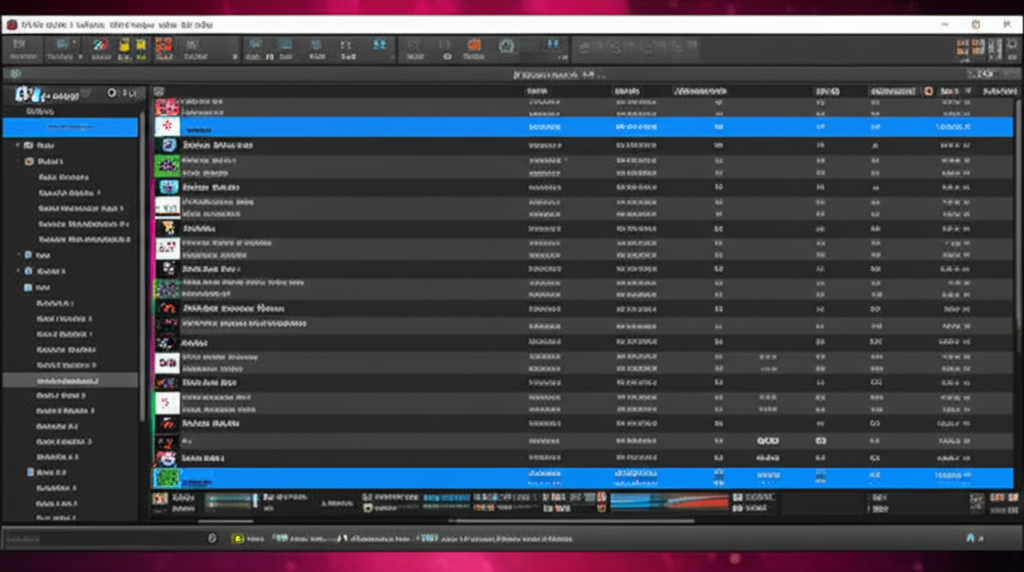
You’ll be greeted by a window that looks a bit like a spaceship’s control panel. Don’t be intimidated; it’s your friend.
Step 2: Add Your Plugin Folder Path
On the left side of the Plugin Manager, you’ll see a list called Plugin search paths. This is the list of “shelves” we talked about.
- Click the folder icon with a plus sign (+) to add a new path.
- A file browser will pop up. Navigate to the exact folder where you installed your VST plugin (e.g.,
C:\Uniphonic VSTs\Synths). - Select the folder and click OK. You’ll now see that path added to the list.
Step 3: Scan for New Plugins
Now it’s time to tell the bouncer to check for new arrivals.
- At the top of the Plugin Manager, click the Find more plugins button.
- FL Studio will now scan the folders in your search path list. You’ll see a progress bar and the names of plugins as it finds them.
- Important: For the very first scan of a new folder, make sure the “Rescan previously verified plugins” option is unchecked to save time. A “Fast scan” is usually sufficient, but a “Full scan” can sometimes catch stubborn plugins.
Step 4: Favorite Your Plugin for Quick Access
Once the scan is complete, any newly discovered plugins will appear in the main list highlighted in a different color (usually orange or yellow).
- Scroll through the list to find your new toy.
- Click the star icon (⭐) to the left of its name.
- BOOM! That’s it. The star turns solid, and the plugin is now “favorited.” This means it will show up in your main plugin lists when you click the “+” on the Channel Rack or select a slot in the Mixer. This is one of the most crucial Music Production Techniques for a fast workflow.
📂 Top 10 Default VST Plugins You’ll Find in FL Studio
Before you go on a wild spending spree, don’t forget that FL Studio comes absolutely loaded with a treasure trove of powerful native plugins. Many of these are so good that professional producers use them every single day. Here are 10 of our team’s favorites that you can find right out of the box (depending on your FL Studio Edition).
- Fruity Limiter: Don’t let the “Fruity” name fool you. This is a beast of a dynamics processor. It’s a world-class limiter, compressor, and sidechaining tool all in one. Essential for mastering and getting your drums to punch.
- Sytrus: A legendary FM synthesis powerhouse. It can create everything from shimmering bells and gritty basses to complex, evolving pads. It’s deep, but incredibly rewarding to learn.
- FLEX: The new kid on the block and an absolute game-changer. It’s a preset-based rompler with an ever-expanding library of stunning, high-quality sounds. Perfect for getting ideas down fast.
- Gross Beat: The secret weapon for glitch, stutter, and tape-stop effects. If you’ve ever heard a track by producers like Metro Boomin or Southside, you’ve heard Gross Beat in action.
- Fruity Reeverb 2: A solid, great-sounding reverb that’s light on the CPU. Its simple interface makes it easy to dial in anything from a small room to a massive cathedral.
- Parametric EQ 2: The workhorse equalizer of FL Studio. With its 7 bands and gorgeous spectral analyzer, it’s the perfect tool for surgical frequency carving and broad tonal shaping.
- Harmless: An additive synthesizer that’s the “less is more” cousin to Sytrus. It’s designed to be intuitive and fun, allowing you to create rich, complex sounds without getting lost in menus.
- Maximus: A multiband maximizer, compressor, and limiter that is pure audio dynamite. It’s the key to making your tracks sound loud, full, and commercially competitive. Use with caution! 💥
- Fruity Love Philter: A ridiculously powerful filter plugin. It consists of eight identical filter units that can be chained together or used simultaneously. Great for creating rhythmic filter patterns and complex automation.
- Patcher: Okay, this one is a bit of a cheat, but it’s arguably the most powerful “plugin” of all. Patcher allows you to chain any number of instruments and effects together in a modular, visual environment. You can build your own custom super-plugins!
You can explore the full list and their features on the official Image-Line plugins page.
💾 Installing Third-Party VST Plugins: Step-by-Step Guide
So you’ve ventured out into the wild and captured a new VST. Maybe it’s the iconic Serum or a cool freebie from Plugin Boutique. Getting it from the download folder into your FL Studio project is a rite of passage.
I’ll never forget my first time. I was so excited to install a free synth I’d found. I just clicked “Next, Next, Next” on the installer without reading a thing. An hour later, I was pulling my hair out, wondering why FL Studio couldn’t find it. Turns out, I’d installed the 64-bit .dll file into a folder my 32-bit version of FL Studio wasn’t even looking at. A classic rookie mistake! Let’s make sure that doesn’t happen to you.
Step 1: Download and Unzip
Your plugin will usually come as a .zip or .rar file. Extract it to a temporary location, like your desktop. Inside, you’ll typically find an installer (.exe on Windows, .pkg on Mac) and maybe a readme file. Read the readme file! It often contains crucial installation info.
Step 2: Run the Installer (and PAY ATTENTION)
This is the most critical step. Launch the installer.
- Accept the license agreement (after reading it, of course 😉).
- When it asks for the installation location for the VST2 file (
.dll), do not just click next! - Click “Browse” and navigate to the custom VST folder you created (e.g.,
C:\Uniphonic VSTs\Synths). This ensures you know exactly where the important file is going. - For VST3 plugins (
.vst3), the installer will usually force the standard path (C:\Program Files\Common Files\VST3\), which is fine. Let it do its thing.
Step 3: Point FL Studio to the Path
If you installed the plugin into a folder that FL Studio isn’t already scanning, you’ll need to add it. We covered this in detail in the Plugin Manager section above. Just open the manager, add the new path, and move to the final step.
Step 4: Scan, Verify, and Make Music!
Back in the Plugin Manager, hit Find more plugins. Watch as your new plugin appears in the list, highlighted and ready for action. Give it a little star (⭐) to favorite it, close the manager, and load it up in your Channel Rack. Success! You’ve just expanded your sonic arsenal.
🧩 Troubleshooting Common Issues with VST Plugins in FL Studio
Even for seasoned pros, plugins can sometimes act up. It’s the nature of the digital beast. But fear not! Most issues have simple solutions. Here’s a rundown of common problems and how to fix them, straight from our Uniphonic™ tech support files.
| The Problem 😭 | The Uniphonic™ Solution 🛠️ –
| “My plugin isn’t showing up after a scan!” | 99% of the time, this is a path issue. Double-check that the folder containing the plugin’s .dll or .vst3 file is listed in your Plugin Manager’s search paths. If it is, try a “Full Scan” with “Rescan previously verified plugins” checked. Still no luck? Make sure you installed the 64-bit version of the plugin, as FL Studio is a 64-bit application. –
| “FL Studio crashes when I load a plugin.” | This is a stability issue. First, update the plugin to the latest version from the developer’s website. If it still crashes, try loading it in “Bridged” mode. In the Plugin Manager, find the plugin, click the “Plugin” tab on the right, and under “Wrapper Settings,” check the “Make bridged” box. This runs the plugin in a separate process, isolating it from FL Studio. If it crashes, it won’t take your whole project with it. –
| “I see an error message like ‘Plugin failed to load’.” | This often means the plugin is missing a crucial file, like a license key, a preset library, or a wavetable folder. Re-run the installer and make sure you install all components. Some plugins, like those from Native Instruments, require the Native Access application to authorize and manage content. Make sure everything is up to date and activated. –
| “Can I use my FL Studio plugins in Ableton?” | This is a common question we see. As one user on Stack Exchange noted, “Not all FL plugins will work on outside of FL. Cause they are FL only plugins.” This is true for many of the “Fruity” generators and effects. However, Image-Line sells VST versions of some of their flagship plugins like Sytrus and Gross Beat. If you buy the VST version, you can use it in any compatible DAW, including Ableton Live. Check our Plugin Recommendations for more cross-platform options. –
🎛️ Best Practices for Organizing and Categorizing Your VST Plugins
Okay, you’ve mastered installation. Now let’s talk about turning your chaotic plugin list into a streamlined, professional workflow. A messy plugin folder is like a messy kitchen—you can still cook, but it’s stressful and inefficient. Let’s get our Marie Kondo on.
H3: The “One Folder to Rule Them All” Method
This is the foundation of plugin sanity. Instead of letting installers spray files all over your system, take control.
- Create a master folder on your main drive, like
D:\VSTPlugins. - Inside this folder, create sub-folders for categories:
Synths,EQ,Compression,Reverb,Delay,Creative FX,Utilities. - When you install a new VST2 plugin, always direct the installer to save the
.dllfile into the appropriate category folder. This keeps everything in one logical place.
H3: Master the FL Studio Plugin Database
This is where the real magic happens. FL Studio’s Browser has a section called Plugin database. This is what populates the menus you see in the Channel Rack and Mixer. You can fully customize it!
- Open the Plugin Manager and find a plugin you want to categorize.
- Open the Browser on the left and navigate to
Plugin database > Effects(orGenerators). - Decide where you want it. Want to create a “Favorite EQs” folder? Right-click on
Effectsand selectOpen. In the Windows Explorer window that pops up, create a new folder namedFavorite EQs. - Go back to the Plugin Manager, find your EQ plugin in the list, and simply drag its name over to the new
Favorite EQsfolder in the FL Studio Browser. - A
.fstpreset file is created. You can even rename this file to give the plugin a custom name in your menu!
This lets you build your own personalized menus, so your most-used tools are always just a click away.
🔄 How to Rescan and Refresh Your VST Plugin List in FL Studio
Sometimes your plugin list just needs a little refresh. Maybe you moved a folder, or a plugin isn’t behaving correctly. Rescanning is simple.
- Open the Plugin Manager (Options > Manage plugins).
- At the top, click Find more plugins.
Now, here are the options and what they mean:
- Rescan previously verified plugins: If this is unchecked (the default), FL will only look for new plugins. This is a Fast Scan and is great for when you’ve just added something new.
- Rescan plugins with errors: If a plugin previously failed to load, checking this will force FL Studio to try again. Useful for troubleshooting.
- Full Scan: To do a full, deep rescan of everything, check “Rescan previously verified plugins” and then click “Find more plugins.” This takes longer but can solve more stubborn issues by rebuilding the entire plugin cache from scratch.
Think of the fast scan as a quick headcount and the full scan as a complete census.
🎧 Using VST Plugins Efficiently: Tips for Workflow and Performance
Having a thousand plugins is useless if they bring your super-powered computer to a grinding halt. CPU management is a critical skill. Here are some pro Performance Techniques we swear by at Uniphonic™.
H3: Bounce to Audio, Save Your CPU
Got a track with a super-complex synth like Omnisphere layered with 5 effects? It probably sounds amazing, but it’s also eating your CPU for breakfast. Once you’re happy with the sound and MIDI part:
- Right-click the track in the Playlist and select Consolidate track(s) > From track start.
- This will render the output of that entire Mixer track to a new audio file.
- Now you can disable the original synth and all its effects, freeing up massive amounts of processing power.
H3: Use Sends for Shared Effects
Never, ever put a separate reverb plugin on 10 different channels. That’s a recipe for CPU disaster. Instead:
- Select an empty Mixer track to be your “Reverb Send.”
- Load one instance of your favorite reverb (like Valhalla VintageVerb) onto it and set the “Dry” signal to 0% and “Wet” to 100%.
- Now, from any other channel, instead of adding a reverb, just turn up the little knob at the bottom that routes its signal to your Reverb Send track.
- You now have 10 channels sharing one reverb plugin. Efficient and cohesive!
H3: Embrace the Power of VST3
When a plugin offers both VST2 and VST3 versions, always choose VST3. The VST3 format has a secret weapon: it can report to the DAW when it’s not processing any audio. FL Studio can then put that plugin to “sleep,” effectively using 0% CPU until it’s needed again. It’s a massive performance saver, especially in large projects.
🛒 Where to Find the Best Free and Paid VST Plugins Compatible with FL Studio
The world of VSTs is a vast, wonderful ocean. It can be tough to know where to fish. Here are some of our top catches, both free and paid, that work beautifully with FL Studio.
H3: Our Favorite Free VSTs (That Sound Expensive)
- Vital Audio – Vital: A spectral warping wavetable synthesizer that honestly rivals and, in some ways, surpasses Serum. The fact that it’s free is mind-boggling. An absolute must-have.
- Valhalla Supermassive: From the gods of reverb, this plugin gives you impossibly huge, lush, and creative reverbs and delays for zero cost. It’s on almost every project we do.
- Surge XT: A deep, open-source hybrid synth that is a sound designer’s dream. It’s complex but the sonic possibilities are endless.
H3: Paid VSTs Worth Every Penny
- Xfer Records Serum: The undisputed king of modern wavetable synths. Its visual workflow and pristine sound quality make it a modern classic. Perfect for EDM, pop, and cinematic sound design.
- 👉 CHECK PRICE on: Plugin Boutique | Sweetwater | Xfer Records Official Website
- Spectrasonics Omnisphere: Less a synth, more a universe of sound. With a gigantic library of over 14,000 sounds and deep synthesis capabilities, Omnisphere is an endless source of inspiration.
- 👉 CHECK PRICE on: Sweetwater | Guitar Center | Spectrasonics Official Website
- FabFilter Pro-Q 3: The industry-standard EQ for a reason. Its stunning interface, dynamic EQ capabilities, and surgical precision make mixing a joy. It’s the first plugin we put on almost every channel.
- 👉 CHECK PRICE on: Plugin Boutique | Sweetwater | FabFilter Official Website
🧠 Understanding VST Formats: VST2 vs VST3 in FL Studio
You’ve seen “VST2” and “VST3” thrown around, but what’s the actual difference? Think of VST2 as a reliable old sedan and VST3 as its modern, fuel-efficient, feature-packed successor. FL Studio can drive both perfectly, but it’s good to know what’s under the hood.
| Feature | VST2 (.dll) –
| VST3 (.vst3) –
| Installation Path | Flexible. You can install .dll files almost anywhere (which is why our custom folder method is so important). –
| Standardized. .vst3 files have a dedicated, system-wide folder (C:\Program Files\Common Files\VST3). This makes management simpler as you don’t have to define a path. –
| CPU Efficiency | Always active. Once loaded, a VST2 plugin uses CPU resources whether it’s making sound or not. –
| Intelligent Sleep. This is the killer feature. VST3 plugins can go dormant when no audio is passing through them, freeing up CPU. This is a huge advantage in large projects. –
| Sidechaining | Possible, but can be clunky. It relies on routing multiple MIDI or audio outputs, which not all hosts handle gracefully. –
| More flexible and standardized. VST3 has dedicated sidechain inputs, making it much easier and more reliable to set up effects like ducking compressors. –
Our Recommendation: ✅ Always use the VST3 version when it’s available. It’s more modern, more efficient, and the future of the standard.
🔗 Integrating VST Plugins with FL Studio’s Native Effects and Instruments
The true power of FL Studio isn’t just in using third-party plugins; it’s in how seamlessly you can blend them with the incredible native tools. This is where you can create your unique signature sound. It’s like being a master chef combining exotic imported spices with fresh, local ingredients.
H3: Creative Chains: VSTi to Native FX
This is a classic workflow.
- Load a powerful VST instrument like Serum or Omnisphere in the Channel Rack.
- Route it to a free Mixer track.
- Now, in the Mixer slots below your VSTi, start adding FL Studio’s native effects. A favorite combo of ours is running a gritty Serum bass through Fruity Blood Overdrive for extra warmth, followed by Gross Beat for rhythmic gating and stuttering. The result is a sound you simply couldn’t get from either plugin alone.
H3: The Ultimate Modular Playground: Patcher
If you really want to go down the rabbit hole, Patcher is your wonderland.
- Load an instance of Patcher.
- Inside Patcher’s visual map, you can load anything. Drag in a VST synth like Vital, an FL native synth like Sytrus, and a bunch of effects.
- You can then visually route the audio and MIDI signals however you want. Split the signal from Vital, send one part to Fruity Reeverb 2, the other to a VST distortion like Soundtoys Decapitator, and then merge them back together. It’s like building your own custom synth, and it’s a technique that feels a bit like working with the rack in Reason, which is another environment we love for its sound design capabilities, especially its unique Reason Sounds.
💡 Expert Tips from Uniphonic™: Maximizing Your VST Plugin Experience in FL Studio
We’ve covered the essentials, but now it’s time for the deep cuts—the little secrets that separate the amateurs from the pros.
- Create Custom Thumbnails: Want your plugin menu to be more visual? In the Plugin Database folder (
Browser > Plugin database), you can add a.pngimage with the same name as the.fstfile for your plugin. FL Studio will then use that image as a thumbnail! It’s a fantastic way to quickly identify your tools. - Understand FL Studio as a VST: This blows some people’s minds. Not only can FL Studio host VSTs, but it can also be a VST plugin inside another DAW like Ableton Live or Logic Pro. This is amazing for collaboration or if you want to use FL’s unique piano roll or step sequencer to control instruments in another environment. This is different from the older “Rewire” protocol mentioned on forums like Stack Exchange, which is a more complex way to sync two DAWs. The VST method is far more direct and powerful.
- Build a Go-To Template: Do you start every track with the same kick, snare, EQ, and a specific synth? Don’t set it up from scratch every time! Create a project with all your favorite VSTs and routing pre-loaded, then go to File > Save as template…. Now you can start every session with your personalized toolkit ready to go.
- Curb Your GAS (Gear Acquisition Syndrome): This is the most important tip. It’s tempting to download every free plugin and buy every synth on sale. Don’t. A producer who has truly mastered three synths and five effects will make better music than a producer who has 500 plugins they barely understand. Master your tools, don’t just collect them. Our head engineer, Maria, famously produced a charting track using only FL’s stock plugins and one single third-party synth. It’s not what you have; it’s how you use it.
📝 Conclusion: Mastering VST Plugins in FL Studio for Ultimate Music Production
And there you have it — the full Uniphonic™ masterclass on where to find, install, and manage VST plugins in FL Studio. From understanding the plugin manager’s role as your trusty gatekeeper, to organizing your sonic arsenal like a pro, you’re now armed with everything you need to turn your DAW into a limitless playground of sound.
Remember the mystery we teased at the start — where do your plugins actually live? Well, now you know: they reside in folders on your hard drive, and FL Studio is just the savvy librarian that catalogs and calls them up when you need them. The power is in your hands to organize, scan, and favorite your plugins for lightning-fast access.
Whether you’re rocking FL Studio’s incredible native plugins like Sytrus and Gross Beat, or diving into third-party giants like Serum and Omnisphere, the key is to keep your workflow smooth, your CPU happy, and your creative spark alive. And if you ever hit a snag, our troubleshooting tips and expert advice will get you back on track faster than you can say “automation clip.”
So, what’s the final word? FL Studio’s VST ecosystem is a vibrant, flexible, and endlessly inspiring environment — but it rewards those who take the time to understand its inner workings. Organize well, scan often, and most importantly, master your tools instead of chasing every shiny new plugin.
Now, go forth and make some magic! 🎶✨
🔗 Recommended Links for VST Plugins and FL Studio Resources
Expand your plugin collection and knowledge with these trusted sources:
-
Xfer Records Serum:
Plugin Boutique | Sweetwater | Xfer Records Official Website -
Spectrasonics Omnisphere:
Sweetwater | Guitar Center | Spectrasonics Official Website -
FabFilter Pro-Q 3:
Plugin Boutique | Sweetwater | FabFilter Official Website -
Vital Audio – Vital (Free):
Vital Official Website -
Valhalla Supermassive (Free):
Valhalla DSP Official Website -
Surge XT (Free):
Surge Synthesizer GitHub -
Books for Further Reading:
-
FL Studio Plugin Installation Quick Guide:
Mixelite How To Install VST Plugins in FL Studio -
Uniphonic™ Categories:
❓ FAQ: Your Burning Questions About VST Plugins in FL Studio Answered

How do I install VST plugins in FL Studio?
Installing VST plugins in FL Studio is a straightforward process but requires attention to detail:
- Download and extract the plugin files from the developer’s website.
- Run the installer, and when prompted, choose or create a dedicated folder for your VST plugins (e.g.,
C:\Uniphonic VSTs). - Open FL Studio and go to Options > Manage plugins.
- Add the folder where you installed the plugin to the Plugin search paths.
- Click Find more plugins to scan and add the plugin to FL Studio’s database.
- Favorite the plugin by clicking the star icon for quick access.
Always ensure you install the correct bit version (64-bit for FL Studio 64-bit) to avoid compatibility issues.
Read more about “Do All VSTs Work with FL Studio? 9 Must-Know Facts (2025) 🎛️”
What are the best free VST plugins for music production?
There are many fantastic free VSTs that can elevate your productions without costing a dime:
- Vital: A wavetable synth rivaling premium paid synths.
- Valhalla Supermassive: Creative reverb and delay effects with lush sounds.
- Surge XT: Open-source hybrid synth with deep sound design capabilities.
These plugins are widely praised for their sound quality and versatility, making them excellent starting points for producers on any budget.
Read more about “Can You Add VST Plugins to FL Studio? 7 Pro Tips (2025) 🎛️”
How do I manage and organize my VST plugins in FL Studio?
Managing your plugins effectively is key to a smooth workflow:
- Create a dedicated master folder with subfolders by plugin type (Synths, EQ, FX, etc.).
- Use FL Studio’s Plugin Manager to add these folders as search paths.
- Utilize the Plugin database in FL Studio’s Browser to categorize and create custom folders for your favorite plugins.
- Favorite frequently used plugins for quick access.
- Regularly rescan your plugins to keep the list updated.
This organization reduces clutter and helps you find the right tool instantly.
Read more about “What Are the 15 Best Sound Packs for FL Studio? 🎛️ (2025)”
Can I use VST plugins from other DAWs in FL Studio?
Generally, yes! Most VST plugins are designed to be cross-platform and work in any DAW that supports the VST standard, including FL Studio. However:
- Some plugins are exclusive to certain DAWs or formats (e.g., FL Studio’s native plugins like Gross Beat are FL-only).
- Ensure you have the correct bit version (64-bit for FL Studio 64-bit).
- Plugins that require specific authorization software (like Native Instruments’ Native Access) must be properly installed and activated.
- If you’re moving plugins between DAWs, make sure the plugin files are installed in folders that both DAWs scan or add the folder manually.
Read more about “u-he Diva vs Top Synths: The Ultimate 4-Way Showdown (2025) 🎹”
How do I troubleshoot plugins that don’t show up or crash in FL Studio?
Common fixes include:
- Confirming the plugin’s
.dllor.vst3file is in a folder FL Studio scans. - Running a Full Scan with “Rescan previously verified plugins” enabled.
- Installing the latest plugin updates from the developer.
- Using Bridged mode in the Plugin Manager for unstable plugins.
- Checking for missing license files or content libraries.
- Verifying bit-version compatibility.
Read more about “u-he Repro Review (2025): 12 Reasons It’s a Synth Game-Changer 🎹”
What is the difference between VST2 and VST3, and which should I use?
VST3 is the newer, more efficient standard offering better CPU management, improved sidechaining, and standardized installation paths. FL Studio supports both, but we recommend using VST3 versions whenever available for better performance and future-proofing.
Read more about “🎛️ Top 15 VST Brands You Need to Know in 2025”
📚 Reference Links and Further Reading on VST Plugins and FL Studio
- Image-Line Official FL Studio Plugins
- Steinberg VST Technology Overview
- Xfer Records Serum Synth
- Spectrasonics Omnisphere
- FabFilter Pro-Q 3
- Valhalla DSP Plugins
- Native Instruments Native Access
- Surge Synthesizer GitHub
- Mixelite: How To Install VST Plugins in FL Studio: Quick Guide
- Stack Exchange Discussion on VSTs in FL Studio and Ableton Live
We hope this comprehensive guide helps you unlock the full potential of VST plugins in FL Studio. For more tips, tricks, and expert insights, keep exploring Uniphonic™! 🎶🚀