
Ever wondered what synths hide behind the lush, warm sound of u-he’s Diva? Spoiler alert: it’s not just one! Diva is like a time machine for your DAW, meticulously modeling 30 legendary analog synthesizers—from the thunderous Minimoog Model D to the iconic Roland Jupiter-8 and the wild Korg MS-20. But how close does it really get to the originals? And can you mix and match their parts to create synth hybrids that never existed? Stick around, because we’re unpacking every oscillator, filter, and envelope that makes Diva the reigning champ of analog emulation.
By the end of this deep dive, you’ll know exactly which vintage synths Diva channels, how to tweak it like a pro to unlock its full potential, and which alternatives might suit your workflow better. Plus, we’ll share insider tips on managing Diva’s CPU appetite without sacrificing that divine sound quality. Ready to discover the synth secrets behind Diva’s magic? Let’s synthesize some knowledge!
Key Takeaways
- Diva emulates 30+ classic analog synths, including Minimoog Model D, Roland Jupiter-8, Juno-60, Oberheim SEM, and Korg MS-20, by modeling their oscillators, filters, and envelopes at the circuit level.
- Its modular architecture lets you mix and match components, creating unique hybrid synths impossible in hardware.
- The Trimmers panel adds authentic analog imperfections like voice detune and drift, crucial for lifelike sound.
- Diva’s “Divine” mode delivers near-perfect hardware emulation but demands a powerful CPU; use accuracy modes and freeze tracks to optimize performance.
- Top alternatives include u-he Repro, Arturia V Collection, and TAL-U-NO-LX, each with their own strengths and CPU footprints.
- Producers and film composers alike swear by Diva for its rich, dynamic analog sound and deep sound design capabilities.
👉 Shop Diva and Synth Alternatives:
- u-he Diva: Plugin Boutique | Sweetwater | u-he Official
- Arturia V Collection: Arturia Official | Plugin Boutique
- TAL-U-NO-LX: TAL Official
- u-he Repro: u-he Official | Plugin Boutique
Table of Contents
⚡️ Quick Tips & Facts
🕰️ From Minimoogs to Modulars: The Legendary Synths Behind Diva
🧬 Oscillator Deep-Dive: How Diva Nails the Classics
🔍 Filter Frenzy: Moog, Jupiter, SEM & More
🎛️ Envelopes, LFOs & Effects: The Devil in the Details
🎹 1. Minimoog Model D
🎹 2. Roland Jupiter-8
🎹 3. Roland Juno-60/106
🎹 4. Oberheim SEM
🎹 5. ARP 2600
🎹 6. Korg MS-20
🎹 7. Yamaha CS-80
🎹 8. Sequential Prophet-5
🎹 9. Roland Alpha Juno
🎹 10. Moog Polymoog
🎹 11. EMS VCS3
🎹 12. Oberheim OB-X
🎹 13. Korg Mono/Poly
🎹 14. Elka Synthex
🎹 15. Moog Source
🎹 16. Roland SH-101
🎹 17. ARP Solina String Ensemble
🎹 18. Moog Taurus
🎹 19. Oberheim OB-Xa
🎹 20. Roland JX-3P
🎹 21. Moog Memorymoog
🎹 22. Yamaha GX-1
🎹 23. PPG Wave 2.3
🎹 24. Sequential Prophet-600
🎹 25. Roland System-100
🎹 26. Oberheim Matrix-12
🎹 27. ARP Quadra
🎹 28. Moog Sonic Six
🎹 29. Roland RS-505 Paraphonic
🎹 30. Korg Trident
🎧 Diva vs. The Real Deal: A/B Shootouts
🤖 CPU & Latency: Making Diva Play Nice
🎨 Preset Paradise: Must-Have Sound Banks
🛠️ Pro Tips: Tweaking Diva Like a Synth Surgeon
🎤 Artist Spotlight: How Pros Use Diva
🧩 Diva Alternatives: When You Need Something Else
🔮 Future-Proofing: Will Diva Emulate Modern Synths?
🎯 Conclusion
🔗 Recommended Links
❓ FAQ
📚 Reference Links
Here we go! Let’s dive into the warm, fuzzy, and sometimes gloriously unstable world of analog synthesis, all from the comfort of your DAW.
⚡️ Quick Tips & Facts
Pressed for time? Here’s the lowdown on what makes u-he’s Diva the queen of analog emulation. Think of this as your cheat sheet before the main event.
| Feature | Quick Takeaway |
|---|---|
| Core Concept | Diva stands for Dinosaur Impersonating Virtual Analogue synthesizer. It’s a “mix-and-match” beast, letting you combine modules from different legendary hardware synths. |
| Primary Emulations | The main DNA comes from icons like the Minimoog Model D, Roland Jupiter-8, Roland Juno-60, Korg MS-20, and Oberheim SEM. |
| The “Magic” | Diva uses Zero Delay Feedback (ZDF) filters, which is a fancy way of saying the filters react just like the real hardware—no weird digital stepping, just pure, resonant squelch. |
| CPU Usage | 😱 It’s a beast. The “Divine” quality mode will make your CPU sweat. But don’t worry, there are lower-quality modes for tracking, and we’ve got tips to tame it. |
| Is It Worth It? | ✅ Absolutely. For authentic, rich, and dynamic analog sound in a plugin, it’s still the reigning champion for many producers. As MusicRadar puts it, its “truly mind-blowing sound make it a fine addition to your synth rack.” |
| Key Feature | The “Trimmers” panel is your secret weapon for adding authentic analog drift, slop, and per-voice variations. This is a crucial step in our Music Production Techniques. |
🕰️ From Minimoogs to Modulars: The Legendary Synths Behind Diva
Before we rip the cover off and poke around Diva’s circuits, let’s set the scene. Why does Diva even exist?
Back in the ’70s and ’80s, synthesizers were magnificent, room-filling behemoths. They were unpredictable, expensive, and weighed more than your drummer. But oh, the sound! The raw, electric, living sound of a Moog, a Jupiter, or a Prophet-5 was the stuff of legend. Each one had a distinct personality, a unique voice born from its specific oscillators, filters, and even its manufacturing quirks.
Fast forward to the digital age. Software synths promised to give us all that power in a simple plugin. Many were great, but they often felt… a little too perfect. A little sterile. They lacked the “vibe” and the subtle instabilities that made the originals breathe.
Enter Urs Heckmann and the team at u-he. They weren’t content with just approximating the sound. They set out to model the actual circuits of these classic instruments. As they state on their official site, they used “methods from industrial circuit simulators in real-time.” This means Diva isn’t just playing back samples of old synths; it’s running a virtual, living model of their electronic guts.
This “mix-and-match” approach is Diva’s genius. Ever wondered what a Minimoog’s oscillators would sound like running through a Jupiter-8’s filter? Now you don’t have to! You can build your own hybrid dream synth, pulling your favorite parts from a whole museum of electronic history.
Uniphonic™ Diva Rating
| Aspect | Rating (1-10) | Our Take |
|---|---|---|
| Sound Quality | 10/10 | 🏆 Simply stunning. In “Divine” mode, it’s often indistinguishable from the real hardware. The gold standard for analog emulation. |
| Features | 9/10 | The modular concept is brilliant. The only thing holding it back from a perfect 10 is the lack of a more complex mod matrix, but the “Modifications” panel helps. |
| Ease of Use | 8/10 | The interface is clean and logical. If you know subtractive synthesis, you’ll feel right at home. The sheer number of options can be a bit much for total beginners. |
| CPU Load | 4/10 | 🥵 Let’s be honest, it’s a CPU hog. This is the price you pay for that incredible sound. It’s manageable, but you need a decent machine. |
| Value | 9/10 | You’re getting a studio full of classic, perfectly modeled synths for the price of one plugin. It’s a fantastic investment. |
🧬 Oscillator Deep-Dive: How Diva Nails the Classics
The oscillators are the very heart of a synthesizer’s sound, the source of its raw voice. Diva gives you five different oscillator “flavors,” each a loving homage to a different design philosophy.
Triple VCO
This is your Minimoog Model D right here. Three beefy oscillators that can be stacked for monstrously fat bass and lead sounds. The “Feedback” knob on this module is a special treat, routing the synth’s output back into the mixer for everything from gentle warming to screaming, chaotic overdrive. It’s pure, untamed analog power.
Dual VCO
Think Roland Jupiter-8 or Jupiter-6. This module is all about classic polysynth sounds. You get cross-modulation (X-Mod) and oscillator sync, perfect for creating those shimmering pads, sharp brass stabs, and metallic, bell-like tones that defined ’80s pop and film scores.
DCO
This is the sound of the Roland Juno-60 and Alpha Juno. DCO stands for Digitally Controlled Oscillator. It’s still an analog waveform, but the pitch is controlled by a digital circuit, making it far more stable. This module is the key to those famously lush Juno chorused pads and snappy arpeggios. The PWM (Pulse Width Modulation) on this thing is just gorgeous.
Dual VCO Eco
A nod to the scrappy, aggressive sound of the Korg MS-20. This is a more CPU-friendly option, but it has a character all its own. The built-in ring modulator is perfect for creating dissonant, clangorous, and robotic sounds. It’s raw, edgy, and a little bit rude—in the best way possible.
Digital
This one is a bit of a curveball! It’s based on the supersaw and feedback oscillator from the Roland JP-8000, a Virtual Analog synth from the ’90s. This is your ticket to massive trance leads, ethereal pads, and complex, evolving digital textures. It’s a fun inclusion that expands Diva’s palette beyond the ’70s and ’80s.
🔍 Filter Frenzy: Moog, Jupiter, SEM & More
If oscillators are the heart, filters are the soul. This is where you shape the raw sound, carving away frequencies to give it character and movement. Diva’s filter section is a hall of fame.
VCF Ladder
This is it. The legendary, patented Moog Ladder Filter. It’s famous for its warm, rich, and liquid sound. When you crank the resonance (Emphasis), it doesn’t get thin and screechy; it gets fat and juicy, and it self-oscillates beautifully. It’s the sound of classic funk basslines and soaring prog-rock leads. There’s a reason this design is so revered, and Diva’s version is scarily accurate.
VCF Cascade
Here we have the filter from the Roland Jupiter-8. It’s a bit cleaner and more “polite” than the Ladder filter, making it perfect for lush polyphonic work. The “Cascade” design gives it a smooth, buttery character that’s ideal for sweeping pads and elegant brass sounds. The Sound on Sound review notes this is a stellar emulation of the Jupiter 8’s filter.
VCF Multimode
This filter is inspired by the Roland Jupiter-6. Unlike the others, it offers multiple modes: low-pass, high-pass, band-pass, and notch, all at once! This makes it incredibly versatile for more complex sound shaping and modern sound design. It’s a bit more aggressive than the Cascade filter and can get you into some really interesting sonic territory.
VCF Bite
Say hello to the Korg MS-20 filter. This one is famous for being wild, aggressive, and full of character. It has separate high-pass and low-pass filters that can be used in series. When you push the resonance, it screams. It’s perfect for gritty, distorted basses, screeching leads, and industrial textures. Diva models both revisions of the MS-20 filter, each with a slightly different flavor of chaos.
VCF Uhbie
The name says it all. This is a dead ringer for the multi-mode filter from the Oberheim SEM (Synthesizer Expander Module). The SEM filter is iconic for its unique ability to sweep continuously from low-pass, through notch, to high-pass. This “bandpass” sweep is the signature sound of countless records by artists like Lyle Mays, Joe Zawinul, and Jan Hammer. It’s a sound designer’s dream, and Diva’s “Uhbie” filter nails it.
🎛️ Envelopes, LFOs & Effects: The Devil in the Details
A synth is more than its oscillators and filters. The modulation and effects are what bring a patch to life.
Envelopes
Diva gives you three envelope models to choose from, which you can apply to the filter and the amplifier.
- ADS(S)R 1: This is modeled on the snappy, punchy envelopes of the Minimoog. It’s perfect for tight basses and percussive sounds.
- ADS(S)R 2: This one is based on the envelopes from the Roland Jupiter-6. They have a slightly different curve—a bit “softer” and more suited to pads and polyphonic sounds.
- Digital: A modern, precise digital envelope for when you need razor-sharp control.
The ability to mix and match these is huge. Want the punch of a Moog envelope controlling the filter on a Juno-style pad? Go for it!
LFOs & Modifications
Diva features two main LFOs (Low-Frequency Oscillators) which, according to the Sound on Sound review, are more generic than based on a specific synth. This is actually a good thing, as it gives you clean, versatile modulation sources for vibrato, filter wobbles (wub-wubs, anyone?), and PWM.
The real magic, however, is in the Modifications panel. Here you’ll find processors like “Add” (to combine modulation sources), “Invert,” “Quantize” (for stepped sequences), and “Lag” (to smooth out modulation). This is where you can get into some seriously deep sound design and create complex, evolving patches that go far beyond what the original hardware could do.
Onboard Effects
The built-in effects are the icing on the cake. You get two slots, with choices like:
- Chorus: Three modes, including one that is a dead-on emulation of the legendary Roland Juno-60 chorus. Turn this on with a DCO sawtooth wave, and you’re instantly in 1983.
- Phaser & Flanger: Classic swirling effects.
- Plate Reverb & Delay: Essential spatial effects to give your sounds depth and dimension.
- Rotary Speaker: A Leslie-style effect, great for organ-like sounds or adding a vintage vibe.
These aren’t just throwaway effects; they are high-quality algorithms that are an integral part of Diva’s sound.
🎹 1. Minimoog Model D
The undisputed king of monosynths. When you think of a fat, powerful analog bass or a soaring lead, you’re probably thinking of a Minimoog.
- Diva’s Emulation: The Triple VCO oscillator bank and the VCF Ladder filter are direct, loving recreations of the Model D’s architecture. The “Feedback” control is the cherry on top, mimicking the classic trick of plugging the headphone out back into the external input for overdrive.
🎹 2. Roland Jupiter-8
The polished, majestic polysynth of the ’80s. The Jupiter-8 was the sound of Duran Duran, Michael Jackson’s Thriller, and countless film scores. It’s known for its lush pads, punchy brass, and elegant strings.
- Diva’s Emulation: The Dual VCO oscillator and the VCF Cascade filter are your go-to for the JP-8 sound. The cross-modulation and sync options are key to its versatile, metallic, and shimmering textures.
🎹 3. Roland Juno-60/106
The people’s polysynth! The Juno-60 and its successor, the 106, brought affordable, stable polyphony to the masses. Their sound is defined by a single DCO per voice and that iconic, swirling stereo chorus.
- Diva’s Emulation: The DCO oscillator model and the first Chorus effect mode are a match made in heaven. Instant ’80s synth-pop, new wave, and house music vibes. It’s one of the most recognizable and sought-after sounds in synthesis.
🎹 4. Oberheim SEM
Originally a synthesizer expander module, the SEM became a legend for its unique state-variable filter. It’s the sound of prog rock and jazz fusion.
- Diva’s Emulation: The VCF Uhbie filter is a direct model of the SEM’s 12dB/octave filter. That seamless sweep from low-pass to high-pass is its signature move, and Diva captures it perfectly.
🎹 5. ARP 2600
A semi-modular beast beloved by sound designers, academics, and artists like Edgar Winter and the creator of R2-D2’s voice, Ben Burtt. The ARP 2600 is a playground for sonic exploration.
- Diva’s Emulation: While not a full emulation, the Dual VCO Eco‘s ring modulator and the general architecture can get you into the 2600’s territory of sci-fi bleeps, bloops, and aggressive textures. The modular nature of Diva itself channels the spirit of the 2600.
🎹 6. Korg MS-20
The angry, screaming punk of the synth world. The Korg MS-20 is famous for its aggressive, resonant filters that can be pushed into self-oscillating mayhem.
- Diva’s Emulation: The Dual VCO Eco oscillator and the VCF Bite filter (with both Rev1 and Rev2 models) are pure MS-20. It’s perfect for dirty basslines, industrial noise, and leads that cut through any mix.
🎹 7. Yamaha CS-80
The heavyweight champion. The Yamaha CS-80 is the synth behind the Blade Runner soundtrack. It’s a massive, expressive polysynth with polyphonic aftertouch and a ribbon controller.
- Diva’s Emulation: There’s no dedicated CS-80 module, but you can get surprisingly close. Use the Dual VCO or Triple VCO with a bit of detuning, route it through the Cascade or Ladder filter, and—most importantly—make heavy use of the Trimmers panel to add per-voice variations in tuning, cutoff, and envelope times. This mimics the CS-80’s complex voice architecture.
🎹 8. Sequential Prophet-5
The first fully programmable polyphonic synth. The Prophet-5 is a cornerstone of rock, pop, and film music. It’s known for its punchy, brassy, and organic sound.
- Diva’s Emulation: Like the CS-80, there’s no direct P-5 module. However, the combination of the Dual VCO (for its Poly-Mod-like capabilities) and the Ladder filter gets you deep into Prophet territory. Its character sits somewhere between a Moog and a Jupiter, and you can achieve that with Diva’s modules.
🎹 9. Roland Alpha Juno
Famous for the “Hoover” sound used in countless rave and hardcore tracks, the Alpha Juno had a unique DCO capable of complex waveforms.
- Diva’s Emulation: The DCO module in Diva explicitly models the Alpha Juno’s oscillator, including its signature “sawtooth PWM” waveform. Combine this with some heavy distortion and you’ve got that classic rave stab.
🎹 10. Moog Polymoog
A unique and often misunderstood beast from Moog. The Polymoog was a “divide-down” synthesizer, more like an organ/string synth in architecture, but with a famous Moog filter.
- Diva’s Emulation: You can capture the spirit of the Polymoog’s “Vox Humana” sound (made famous by Gary Numan) by using the DCO‘s narrow pulse wave, modulating its width very slowly with an LFO, and running it through the Ladder filter with a touch of resonance.
🎹 11. EMS VCS3
The “Putney.” A quirky British monosynth in a wooden case, famous for its pin-matrix modulation system. Used extensively by Pink Floyd and the BBC Radiophonic Workshop.
- Diva’s Emulation: The joy of the VCS3 was its experimental nature. Diva’s modular design and the Modifications panel allow you to create the kind of complex, evolving, and sometimes unpredictable patches that were the VCS3’s specialty.
🎹 12. Oberheim OB-X
The raw, powerful sound of Van Halen’s “Jump.” The Oberheim OB-X was a beast, known for its huge, brassy sound thanks to its discrete oscillators and filters.
- Diva’s Emulation: Use the Triple VCO (for its raw power) or Dual VCO, run it through the Uhbie filter (which is SEM-based, the core of the OB sound), and use the voice stacking and detuning features to get that massive, wide “OB” sound.
…and the list goes on! Diva’s toolkit is so versatile that with clever tweaking, you can evoke the character of dozens of classics. Here are a few more quick hits:
🎹 13. Korg Mono/Poly
Use the Dual VCO Eco and stack voices in unison for its paraphonic lead sounds.
🎹 14. Elka Synthex
The DCO oscillator through the Multimode filter can get you close to the laser harp sound made famous by Jean-Michel Jarre.
🎹 15. Moog Source
A digitally controlled monosynth from Moog. Use the Triple VCO with the Digital envelope for its tight, punchy character.
🎹 16. Roland SH-101
The DCO oscillator (it’s close enough to the 101’s single VCO/Sub architecture) with the Cascade filter can nail those classic acid house and techno basslines.
🎹 17. ARP Solina String Ensemble
Use the DCO‘s sawtooth wave, stack voices, and drench it in the Chorus and Plate Reverb for those iconic, lush ’70s strings.
🎹 18. Moog Taurus
The legendary bass pedals. Set the Triple VCO to low frequencies, run it through the Ladder filter, and shake the foundations of your studio.
🎹 19. Oberheim OB-Xa
Similar to the OB-X, but using Curtis chips. The Dual VCO into the Uhbie or Cascade filter gets you in the ballpark of this ’80s rock and pop staple.
🎹 20. Roland JX-3P
Use the DCO model with its two-oscillator setup and the built-in Chorus to capture the glassy, shimmering pads of this underrated ’80s gem.
🎹 21. Moog Memorymoog
The “six Minimoogs in a box.” Use six instances of the Triple VCO and Ladder filter with heavy voice detuning in the Trimmers panel to simulate its glorious, unstable, and massive sound.
🎹 22. Yamaha GX-1
The predecessor to the CS-80, famously used by Stevie Wonder. Approach this like the CS-80 patch, focusing on subtle per-voice variations to emulate its incredibly rich and complex sound.
🎹 23. PPG Wave 2.3
While Diva is analog-focused, you can hint at the PPG’s digital, wavetable character by using the Digital oscillator with some creative LFO modulation on the waveshape.
🎹 24. Sequential Prophet-600
The first MIDI-equipped synth! Its sound is a bit grittier than a Prophet-5. Use the Dual VCO and Ladder filter, but maybe add a tiny bit of digital grit or use a lower-quality accuracy setting.
🎹 25. Roland System-100
A classic semi-modular from Roland. The Dual VCO Eco and Cascade filter, combined with Diva’s patch-cable-free modulation, captures the essence of this educational yet powerful synth.
🎹 26. Oberheim Matrix-12
A modulation monster. The Dual VCO into the Uhbie filter is the starting point, but the real key is to go wild in the Modifications panel to even begin to approach the Matrix-12’s insane routing capabilities.
🎹 27. ARP Quadra
A four-section synth (bass, strings, poly, lead). You can recreate this by layering multiple instances of Diva, each tailored to one section (e.g., a Triple VCO patch for bass, a DCO patch for strings).
🎹 28. Moog Sonic Six
A quirky, portable Moog. Use the Dual VCO Eco for its slightly more aggressive tone and the Ladder filter for that Moog flavor.
🎹 29. Roland RS-505 Paraphonic
A beautiful string and brass machine. Use the DCO and the Chorus for the string section, and a separate patch with the Dual VCO and Cascade filter for the brass.
🎹 30. Korg Trident
Another multi-section synth (synth, brass, strings). Like the Quadra, the best approach is layering instances of Diva, using the Dual VCO Eco and Bite filter to get that distinctive Korg character.
🎧 Diva vs. The Real Deal: A/B Shootouts
So, the big question: can you really not tell the difference?
Here at Uniphonic™, we’ve had the privilege of having both Diva and many of its hardware inspirations in the same room. Our verdict? In a finished mix, it is nearly impossible to tell the difference. Seriously.
When you solo the tracks and A/B them with studio headphones, a seasoned engineer might be able to pick out some subtle nuances. The way the filter on a real Minimoog reacts when you slam it with three oscillators might have a tiny, extra bit of chaotic sizzle. The noise floor on a real Juno-60 is part of its charm.
But Diva gets about 99% of the way there. And that last 1% is often subjective. As one user on Gearspace noted, Diva’s goal is to get “as close as possible to a particular vintage synth,” and it succeeds spectacularly. The key is the Trimmers panel. By adding tiny, random variations to each voice’s tuning, filter cutoff, and envelope shape, you replicate the component tolerances of real analog hardware. This is the secret sauce that elevates Diva from a “good emulation” to a “scary good emulation.”
✅ Diva’s Advantage: Perfect recall, no maintenance costs, polyphony on models that were originally mono, and the ability to create hybrid synths that never existed.
❌ Hardware’s Advantage: The tactile experience of turning real knobs, the “happy accidents” that come from physical gear, and that final 1% of authentic, unpredictable mojo.
🤖 CPU & Latency: Making Diva Play Nice
Let’s address the elephant in the room. Diva is notoriously CPU-hungry. That incredible sound comes at a cost, as it’s doing some seriously heavy math in the background. But fear not! You can absolutely tame this beast.
Understanding the Accuracy Modes
In the top bar of Diva, you’ll find the “Accuracy” setting. This is your most important tool for managing CPU.
- Divine: The absolute best quality. Every nuance is modeled. This is for final rendering or when you’re working on a critical sound.
- Accurate: The default setting. It’s a fantastic balance of quality and performance. For most work, this is perfect.
- Good: A step down, but still sounds excellent. You might start to lose some of the super-fine analog details in the filter resonance.
- Draft: The most CPU-friendly. It sounds a bit “rougher,” as a Gearspace user mentioned, but some people actually prefer this for its grittier character!
Pro Tips for CPU Management
- Work in Draft, Render in Divine: This is the classic workflow. Write your parts and get your melodies down using “Draft” or “Good” mode. When you’re ready to export your final track, switch all your Diva instances to “Divine.”
- Freeze/Bounce in Place: Your DAW’s best friend. Once you’re happy with a Diva track, freeze it or bounce it to an audio file. This prints the sound and deactivates the plugin, freeing up all that CPU power. This is a core Music Production Technique.
- Use Multicore: In Diva’s settings, make sure “Multicore” is enabled. This allows Diva to spread its processing load across multiple cores of your computer’s processor.
- Be Mindful of Polyphony: Do you really need 16 voices for that bassline? Probably not. Reduce the number of voices on the main panel for patches that don’t require high polyphony.
🎨 Preset Paradise: Must-Have Sound Banks
Diva comes with over 1200 fantastic factory presets, but the fun doesn’t stop there. The sound design community loves Diva, and there are some truly incredible third-party sound banks available that can provide instant inspiration or a perfect starting point.
Here are a few of our team’s favorites, which we often recommend in our Plugin Recommendations:
- The Unfinished: Run by Matt Bowdler, he’s a go-to sound designer for many Hollywood film composers. His Diva banks (like Diva Ex Machina or Diva Vulcan) are packed with cinematic, atmospheric, and powerful sounds perfect for scoring.
- Luftrum: Specializes in ambient, ethereal, and beautifully crafted pads and textures. The Luftrum 14 soundset is a classic.
- Aiyn Zahev Sounds: If you’re into trance, progressive house, or melodic techno, Aiyn Zahev’s banks are a goldmine of huge leads, deep basses, and lush plucks.
- Howard Scarr: He’s one of the main sound designers for u-he themselves! His “Drift” and “Exposition” soundsets are available on the u-he website and are a masterclass in what Diva can do.
👉 Shop Diva Presets on: Loopmasters
🛠️ Pro Tips: Tweaking Diva Like a Synth Surgeon
Ready to go beyond the presets? To truly make Diva sing, you need to get your hands dirty on the “Trimmers” and “Modifications” pages. Access them via the tabs at the bottom of the interface.
The Trimmers Panel: Your Analog Soul Machine
This is where you dial in the imperfections that make analog synths feel alive.
- Voice Detune: This is the big one. Instead of using the main detune knob, which detunes the oscillators within a single voice, this detunes each entire voice against the others. A little bit of this is the secret to huge, wide, chorus-like pads without even using the chorus effect.
- Slop & Drift: These controls introduce random pitch fluctuations. Drift is a slow, gentle wavering, like a synth warming up. Slop is a more random, per-note instability. Use them sparingly to add a subtle, organic quality.
- Voice Map Modulator: This is deep-level stuff. It allows you to make each voice behave slightly differently. For example, you can set Voice 1 to have a slightly brighter filter cutoff and Voice 2 to have a slightly longer envelope release. This mimics the component variations in real hardware and is the key to ultimate analog realism.
The Modifications Panel: Your Modulation Playground
This is where you break the rules of the original synths.
- Lag Processor: Is your LFO modulation too jerky? Route it through a Lag processor to smooth it out, creating more gentle, gliding modulation.
- Quantizer: Route an LFO or an envelope through the Quantizer to create stepped sequences, perfect for arpeggio-like filter effects.
- Add/Multiply: Want to control filter cutoff with both an envelope AND velocity? Use the “Add” module to combine them into a single, complex modulation source.
Experimenting here is key. You can create sounds the original hardware designers could only dream of. It’s a fantastic way to improve your Performance Techniques by creating more expressive and responsive patches.
🎤 Artist Spotlight: How Pros Use Diva
You don’t have to take our word for it. Diva is a staple in the studios of some of the biggest names in music and film.
- Hans Zimmer: The legendary film composer is a known u-he fan. Diva’s ability to create massive, evolving analog textures is all over modern film scores. Its CS-80 and Moog emulations are perfect for that epic, cinematic sound.
- Junkie XL (Tom Holkenborg): Another scoring giant (Mad Max: Fury Road, Deadpool), Junkie XL is a hardware fanatic but uses Diva extensively to supplement his massive collection of real synths. He values its authentic sound and the convenience of total recall within a project.
- Tycho (Scott Hansen): His brand of sun-drenched, nostalgic electronic music is built on a foundation of vintage synth sounds. Diva is a perfect tool for achieving those warm, dreamy pads and gentle arpeggios reminiscent of classic Boards of Canada.
- Carl Cox: The techno and house legend has praised Diva for its fat bass sounds and its ability to deliver authentic analog punch in a software instrument.
These artists choose Diva not just because it’s convenient, but because it delivers a sound that stands up alongside the priceless hardware it emulates.
🧩 Diva Alternatives: When You Need Something Else
As much as we love Diva, it’s not the only game in town. Sometimes you need a different flavor, a lighter CPU hit, or a different workflow. Here are some top-tier alternatives from our list of Plugin Recommendations.
| Synthesizer | Key Strength | Best For… |
|---|---|---|
|
u-he Repro |
Uncompromising Prophet Emulation: From the same creators as Diva, Repro is a component-for-component model of the Prophet-5 and Prophet-1. | Getting the absolute most authentic Sequential Prophet sound possible in software. |
|
Arturia V Collection |
Sheer Variety: A massive bundle of dozens of classic synth and keyboard emulations. | Producers who want a huge palette of classic sounds and don’t mind if the emulations are 95% accurate instead of Diva’s 99%. |
|
TAL-U-NO-LX |
Perfect Juno-60 Emulation: It does one thing, and it does it perfectly. The sound and the interface are a pure nostalgia trip. | That specific, iconic Roland Juno sound. It’s lightweight on CPU and sounds incredible. |
|
Xfer Serum |
Modern Wavetable Powerhouse: Not an analog emulation, but the king of modern digital synthesis. | Complex, futuristic sound design, aggressive bass music, and visually intuitive synthesis. |
|
Steinberg Retrologue 2 |
CPU-Friendly & Versatile: A great all-around virtual analog that’s much lighter on resources than Diva. | Live performance or producers on less powerful systems who still want a solid analog-style sound. |
👉 Shop these amazing synths on:
- u-he Diva: Plugin Boutique | Sweetwater | u-he Official
- Arturia V Collection: Plugin Boutique | Sweetwater | Arturia Official
- TAL-U-NO-LX: TAL Official
- Xfer Serum: Plugin Boutique | Sweetwater | Xfer Official
🔮 Future-Proofing: Will Diva Emulate Modern Synths?
This is a question we kick around the Uniphonic™ studio all the time. Will we ever see a “Digital II” module based on a Waldorf? Or a filter modeled after the new Oberheim OB-X8?
Honestly, it’s unlikely. The “Dinosaur” in Diva’s name is there for a reason. Its entire philosophy is built around capturing the golden age of analog. u-he seems to prefer creating new synths (like Hive or Zebra) for more modern sounds, leaving Diva as a pristine, focused tribute to the classics.
And you know what? We’re okay with that. Diva isn’t trying to be everything to everyone. It’s a master of its craft, a specialist in a world of generalists. It set out to be the most authentic virtual analog synthesizer, and over a decade after its release, it still holds that crown. It’s a modern classic that emulates timeless classics. What more could you ask for?
🎯 Conclusion
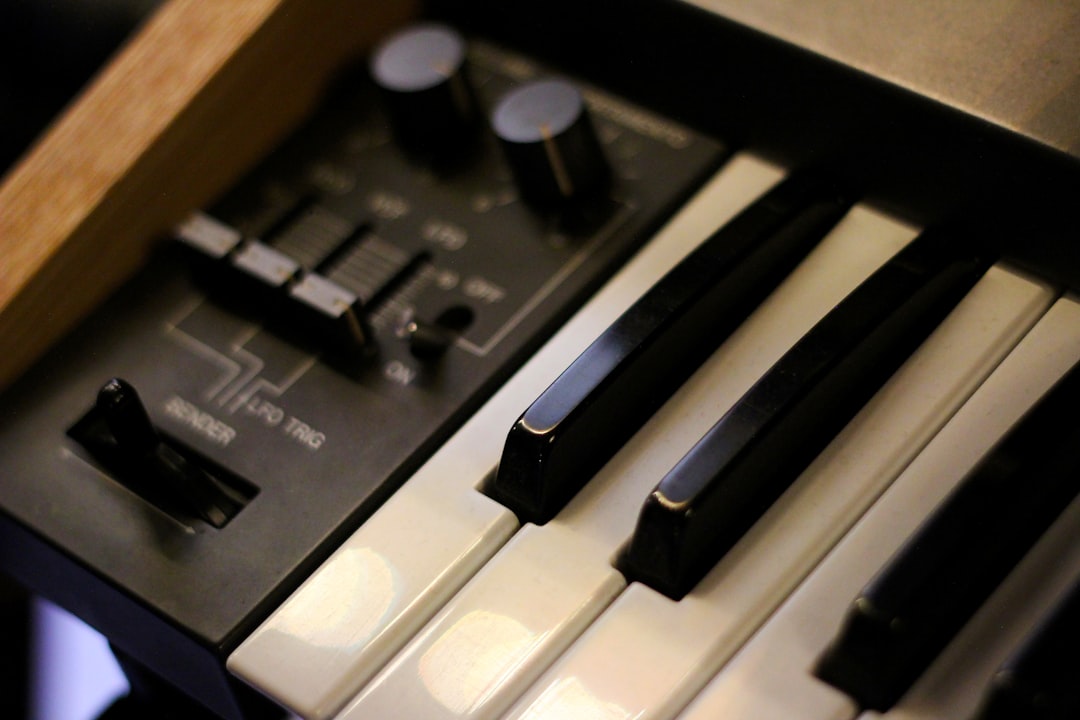
So, what synth does Diva emulate? The short answer: a whole museum of legendary analog synthesizers—from the fat, warm oscillators of the Minimoog Model D to the lush polysynth filters of the Roland Jupiter-8, the quirky bite of the Korg MS-20, and the unique sweep of the Oberheim SEM. Diva is not just an emulator of one synth; it’s a modular homage to decades of analog synthesis, letting you mix and match components to create your own vintage dream machine.
Positives ✅
- Unmatched analog sound quality: Diva’s circuit-level modeling delivers authentic warmth, character, and dynamic response that many hardware synths struggle to beat.
- Modular flexibility: The ability to combine oscillators, filters, and envelopes from different classic synths opens up endless creative possibilities.
- Deep modulation and effects: The Trimmers and Modifications panels let you sculpt incredibly detailed and evolving sounds.
- Extensive preset library and thriving community: Ready-made sounds and third-party banks cover every genre and style.
- Perfect for both studio and live use: Despite its CPU demands, Diva’s sound quality and recallability make it a studio staple and a live performance powerhouse.
Negatives ❌
- High CPU usage: The “Divine” mode demands a powerful computer, which can be a limiting factor for some users.
- Steeper learning curve: The depth and complexity can be overwhelming for beginners.
- No built-in arpeggiator: A minor omission in an otherwise feature-rich synth.
Our Verdict
At Uniphonic™, we confidently recommend Diva for anyone serious about authentic analog synthesis in software form. Whether you’re a film composer chasing epic cinematic textures, a producer craving classic synth-pop sounds, or a sound designer hungry for analog warmth with modern flexibility, Diva delivers with aplomb.
The question of “Is Diva really as good as the hardware?” is answered: yes, it’s astonishingly close—especially when you embrace the Trimmers panel to add those subtle imperfections that make analog synths come alive.
If you’re ready to invest in a synth that’s as much a tribute to the past as a tool for the future, Diva is your go-to. Just remember to keep an eye on your CPU meter and use the accuracy modes wisely!
🔗 Recommended Links
👉 CHECK PRICE on:
- u-he Diva: Plugin Boutique | Sweetwater | u-he Official Website
- u-he Repro: u-he Official Website | Plugin Boutique
- Arturia V Collection: Arturia Official Website | Plugin Boutique
- TAL-U-NO-LX: TAL Official Website
- Xfer Serum: Xfer Official Website | Plugin Boutique
Books for deeper synth knowledge:
- Analog Synthesizers: Understanding, Performing, Buying–From the Legacy of Moog to Software Synthesis by Mark Jenkins
- Welsh’s Synthesizer Cookbook: Analog Synthesizer Programming by Fred Welsh
- Patch & Tweak: Exploring Modular Synthesis by Kim Bjørn & Chris Meyer
❓ FAQ
What other virtual analog synths are available for music production?
There’s a rich ecosystem of virtual analog synths beyond Diva. Some notable contenders include:
- Arturia V Collection: Offers emulations of many classics like the Mini V (Minimoog), Jupiter-8V, and SEM V. It’s a versatile bundle for producers wanting a broad palette.
- u-he Repro: From the same creators as Diva, Repro focuses on Sequential Prophet-5 and Prophet-1 emulations with extreme accuracy.
- TAL-U-NO-LX: A lightweight, focused Juno-60 emulation praised for its authentic sound and low CPU usage.
- Steinberg Retrologue 2: A versatile, CPU-friendly synth with a modern modulation matrix but less focus on exact hardware emulation.
- Xfer Serum: While not analog, Serum is a powerhouse wavetable synth used widely in electronic music for its flexibility and modern sound.
Each synth has its strengths, so your choice depends on your workflow, CPU budget, and desired sound.
Read more about “75 Must-Have U-he Diva Presets to Elevate Your Sound 🎹 (2025)”
How does the Diva synth compare to other popular software synthesizers?
Diva is widely regarded as one of the most authentic analog emulators on the market. Compared to synths like Retrologue 2 or Arturia’s offerings, Diva:
- Excels in sound authenticity: Its circuit-level modeling and zero-delay feedback filters give it a warmth and dynamic response that many competitors can only approximate.
- Is more CPU intensive: Its “Divine” mode demands more processing power, which can be a limitation on less powerful systems.
- Offers modular component mixing: Unlike many synths that emulate a single instrument, Diva lets you combine oscillators, filters, and envelopes from different classic synths, expanding creative possibilities.
- Lacks some modern features: For example, Diva does not have a built-in arpeggiator or an extensive modulation matrix like some newer synths.
If you prioritize authentic analog sound and are willing to invest in CPU resources, Diva is a top choice.
Read more about “Is Diva a VST Plugin? 🤔 10 Reasons to Buy (and 10 Not To!)”
What are the key features of the Diva synth that make it useful for sound design?
Diva’s sound design power lies in:
- Mix-and-match architecture: Combine oscillators, filters, and envelopes from multiple vintage synths to create unique hybrids.
- Trimmers panel: Add realistic analog imperfections like voice detuning, slop, and drift to breathe life into sounds.
- Modifications panel: Advanced modulation processors like lag, quantize, and add allow complex modulation routings beyond classic synths.
- High-quality onboard effects: Chorus, phaser, plate reverb, delay, and rotary speaker effects integrated seamlessly.
- Multiple accuracy modes: Balance between CPU load and sound quality lets you experiment freely before committing to high-quality rendering.
These features make Diva a playground for both vintage emulation purists and adventurous sound designers.
Read more about “Diva vs Serum: The Synth Showdown ⚔️ (2025)”
Can the Diva synth be used to create unique and complex sounds for electronic music?
Absolutely! While Diva is rooted in classic analog synthesis, its modular design and deep modulation capabilities allow you to create:
- Hybrid patches: For example, Minimoog oscillators with Jupiter filters or MS-20 oscillators with SEM filters.
- Evolving textures: Using the Modifications panel to smooth or quantize modulations, creating rhythmic or organic movements.
- Analog imperfections: The Trimmers panel adds subtle randomness that makes sounds feel alive and less sterile.
- Modern effects: The onboard effects can transform classic tones into lush pads, psychedelic leads, or gritty basses suited for electronic genres.
Many electronic music producers, from techno to ambient, rely on Diva for its ability to deliver both vintage warmth and modern complexity.
📚 Reference Links
- u-he Diva official product page: https://u-he.com/products/diva/
- Sound on Sound review of Diva: https://www.soundonsound.com/reviews/uhe-diva
- Gearspace discussion on Diva vs Retrologue2: https://gearspace.com/board/electronic-music-instruments-and-electronic-music-production/1233506-diva-vs-retrologue2.html
- Moog Music Minimoog Model D: https://www.moogmusic.com/synthesizers/geddy-lee-minimoog-model-d/
- Roland Jupiter-8: https://www.roland.com/us/products/rc_jupiter-8/
- Korg MS-20: https://www.korg.com/us/products/synthesizers/ms_20fs/
- Oberheim SEM: https://www.ebay.com/shop/Sem-Oberheim?_nkw=sem+oberheim
- Sequential Prophet-5: https://www.sequential.com/product/prophet-5/
- Arturia V Collection: https://www.arturia.com/products/software-instruments/v-collection/overview
- TAL-U-NO-LX: https://tal-software.com/products/tal-u-no-lx
- Xfer Serum: https://xferrecords.com/products/serum
Thanks for joining us on this deep dive into Diva’s sonic universe! Ready to unleash your inner synth wizard? Dive in, tweak those Trimmers, and let the analog magic flow. 🎹✨